Ethical Ed
Ethical Education at Waterford ETNS
At Waterford Educate Together National School, Ethical Education is a central part of who we are. It shapes our culture, our classrooms, and our values, helping children grow into respectful, open-minded, and confident individuals.
Alongside the Learn Together curriculum, we also explore additional Ethical Education initiatives that promote active citizenship, understanding of diversity, and a deep respect for others and the world around us.
You can also check out our Ethical Ed Radio Station
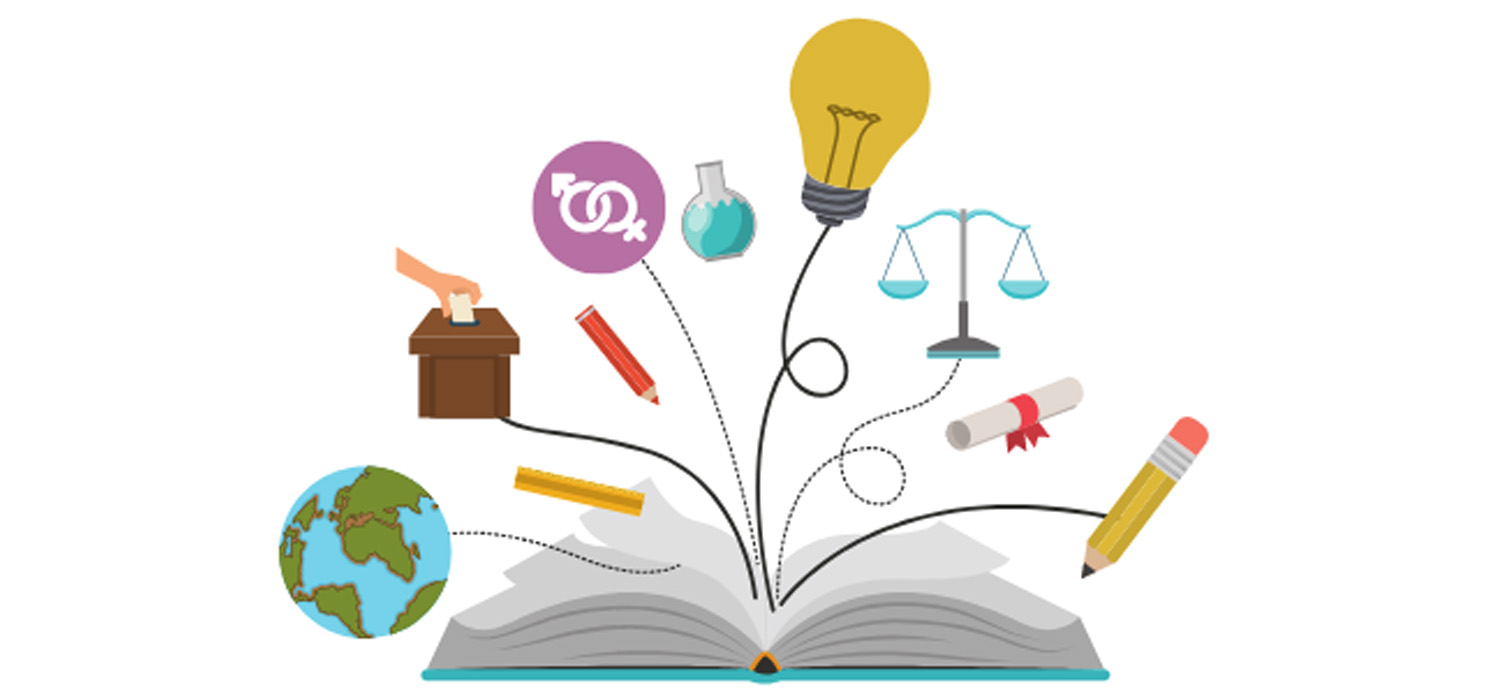
Our Ethical Education Mission
Our aim is to promote a philosophy of education where no child is ever considered an outsider.
We work to create an environment where every pupil can flourish — regardless of gender, class, background, or belief.
Ethical Education at Waterford ETNS encourages:
-
The fullest development of each child’s abilities
-
Equal respect for every student
-
Inclusive learning without prejudice or stereotype
-
Strong partnership between teachers and parents
-
A democratic, child-centred approach that values every voice
This mission is woven through our teaching, our policies, and our everyday school life.
Supporting Ethical Education in the Classroom
Educate Together continues to research and develop ethical curricula nationally, contributing teaching resources, training, and ongoing professional support for schools like ours.
These resources help teachers bring Ethical Education to life in an engaging, thoughtful, and age-appropriate way.
Ethical Education at Waterford ETNS is explored through four key strands — each one helping children build understanding, empathy, critical thinking, and a sense of responsibility.
The Four Strands of Ethical Education
1. Moral and Spiritual Development
Children develop an understanding of right and wrong, fairness, empathy, and wellbeing. This strand encourages self-reflection, emotional literacy, and the ability to make thoughtful moral decisions.
2. Equality and Justice
Pupils learn about identity, diversity, social justice, human rights, equality, and inclusion. They develop the confidence to think critically, challenge unfairness, and act with kindness and respect.
3. Belief Systems
Children explore the world’s major religious and non-religious belief systems in a respectful, objective way. No single belief is prioritised. Instead, pupils learn about the richness of human experience and the value of respectful coexistence.
4. Ethics and the Environment
This strand helps children appreciate their environment and take responsibility for caring for the planet. Pupils learn about sustainability, stewardship, and the positive impact they can make through everyday actions.
Why Ethical Education Matters
Through Ethical Education, children grow into:
-
Kind, reflective, and empathetic individuals
-
Open-minded thinkers who respect difference
-
Confident young people with a strong sense of identity
-
Active citizens who contribute positively to their community and the wider world
Ethical Education supports our commitment to equality-based, inclusive education for all, preparing pupils not just for academic success, but for life in a diverse and interconnected society.
Empowering Children Through Inclusion
why choose us for your Ethical Ed
Our ethos is the spirit and character of our school. At Waterford Educate Together National School, we place respect, equality, and inclusivity at the heart of everything we do.
A positive learning environment
Where each child grows in confidence and competence, realising their unique potential.
A multi-denominational school
Where children learn appreciation, understanding, and respect for themselves and others.
A child-centred approach
Encouraging students to embrace challenge and change in a multicultural society.
A co-educational experience
Promoting partnership between teachers, parents, and children in a caring and exciting environment.
Our ethos reflects the policies of the Department of Education and the charter of our patron, Educate Together. All teachers adhere to professional standards and follow the national primary curriculum.
award winning school
we are extremely proud of the awards that we have earned throughout our years